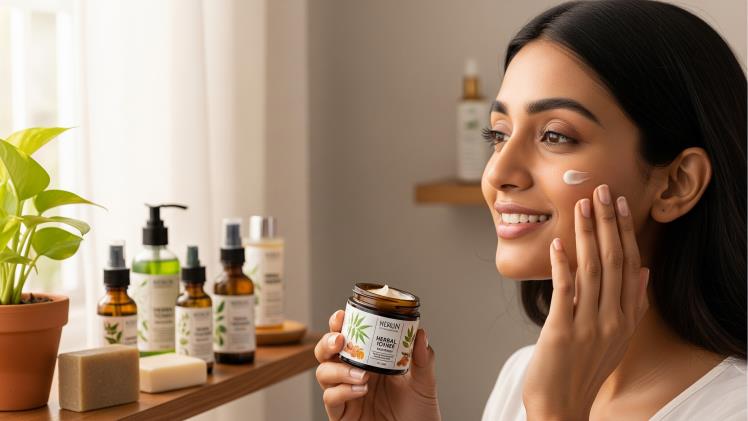
 There’s something special about the way Indians take care of their skin. The simple things-a bit of turmeric, a spoonful of honey, and some coconut oil-can really wake up tired-looking skin. These ancient practices, usually referred to as herbal rituals for skin and body, are not just beauty tricks but also a thread to India’s Ayurvedic past. Ask Ayurveda to explain how these age-old procedures can give you real and lasting results.
Can herbal skin care really make your skin better in India?
Yes, definitely. The weather in India can be harsh on your skin-hot summers, wet monsoons, and dusty winters take their toll. Herbal skincare balances out your system in a natural, organic way. Neem, aloe vera, turmeric-these clean and protect without stripping your skin of its natural oils. Ayurveda does not believe in quick fixes that are merely superficial; instead, it heals from within. Your skin becomes much smoother, more even, and less prone to breaking out after some time.
How do these practices help your whole body?
According to Ayurveda, beauty comes from within. In general, herbal practices in India include body massages with special oils, such as sesame or coconut. All these work to improve the flow of your blood, purge the bad stuff out, and relax your muscles. They refresh the body and mind when used in combination with gentle scrubs or baths with herbs. You simply don’t feel cleaner; you feel lighter and more balanced. It’s self-care that doesn’t just keep your skin happy; it gives you energy.
Do herbal ingredients work differently in India’s environment?
Yes, they do. The cool thing about Ayurvedic herbs is that they change based on where you are. If you’re in a humid place like Kerala, cooling herbs like sandalwood or vetiver are used to reduce redness and control sweat. In drier northern areas, moisturizing things like almond oil and rosewater help fight dryness. Herbal skincare is flexible; it suits your body type, the season, and even the area you live in, which is why people all over India have trusted it for so long.
What changes will you see on your skin?
The results speak for themselves: after several weeks of consistent herbal routines, the skin gradually starts to look healthier and brighter. Acne marks fade, dark spots lighten, your skin doesn’t look as dull, and you have fewer breakouts because natural ingredients won’t clog up your pores or irritate your skin. The good look you get is because of your skin coming back to its natural health-not from chemicals.
Can herbal skincare replace modern skincare in India?
Not fully, but they work well; think of herbal care as the base for your skin. It strengthens it from within and maintains healthiness within your skin. Modern products have added protection or moisture on top, but this herbal base keeps the skin strong. Many people in India are now using both: doing natural cleansers or face masks at home, yet maintaining a simple care routine daily with modern products.
Is herbal skincare good for all skin types?
It does, but it has to be personalized. Ayurveda teaches that everyone’s skin is different; some have dry skin, others oily skin, or sensitive skin. The right herbs depend on what your skin is like. Rose and sandalwood are good for sensitive skin, while turmeric and neem help with oily skin. What’s cool is that you can change your herbal routine depending on the season or whatever your skin needs at the time.
Want to know how to personalize your herbal skincare routine?
If you are curious about which herbs and oils work for your skin, Ask Ayurveda will help you check out old remedies that fit your life and where you live in India. It connects you with experts who know how old formulas can still work today, giving you simple advice that is useful.
Why not try getting your natural glow back? India’s herbal history is the key to balanced, beautiful skin. Begin with Ask Ayurveda; learn what your body really needs, and see skin and spirit change-naturally, deeply, and beautifully.